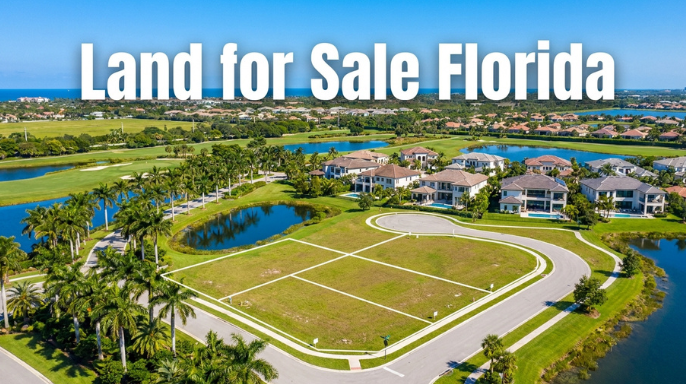
Searching for land for sale in Florida that buyers can build on, farm, or hold as an investment requires more than comparing comps; it also involves assessing flood, wetland, and utility limits that affect its real cost. Check those details before signing a contract or sending a deposit.
Direct answer: Florida buyers should compare location, permitted use, road access, flood exposure, wetlands, utilities, title, and total development costs before purchasing vacant property. Confirm each item with county records, official maps, a survey, and qualified local professionals. The listing description alone isn’t enough to prove that a parcel suits your plans.
| Buying factor | What to verify | Why it matters |
| Intended use | County zoning and future land-use designation | Determines whether you can build, farm, rent, or operate a business |
| Access | Public road frontage or recorded easement | A parcel can be difficult to use or finance without legal access |
| Flood exposure | FEMA flood map and site elevation | May affect construction, drainage, insurance, and financing |
| Wetlands | State records and a site-specific determination | Filling or building in protected areas may require permits |
| Utilities | Power, water, sewer, septic, and internet options | Connection and installation costs can change your budget |
| Ownership | Title search, liens, restrictions, and survey | Confirms what you’re buying and identifies recorded limits |
| Purchase cost | Price plus closing and development expenses | The advertised amount rarely reflects the complete project cost |
Land for Sale in Florida: Where to Look for Florida Property
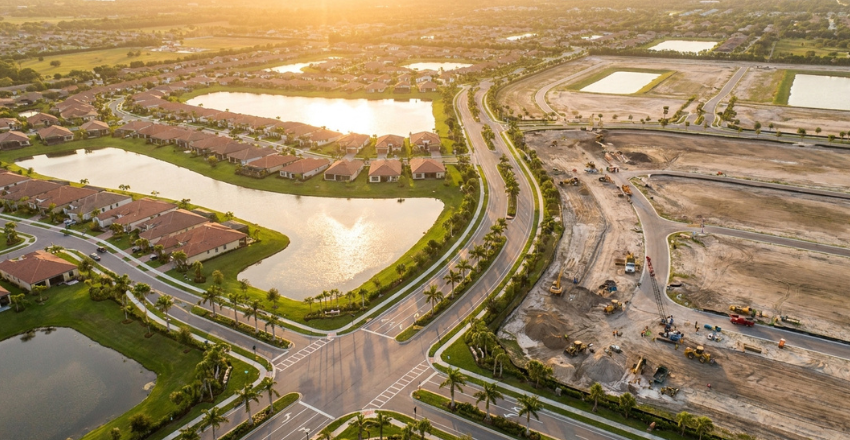
Florida inventory includes residential lots, rural acreage, farms, timberland, recreational tracts, waterfront parcels, and commercial sites. Major listing platforms also divide the state into regions such as North Florida, Central Florida, the Panhandle, the Gulf Coast, South Florida, and the Atlantic Coast.
A region that matches your intended use. Someone planning a weekend retreat may value privacy and recreational access. A future homeowner may care more about schools, utilities, commute times, and building rules.
You can browse Gladnota’s property investment resources for broader ownership and investment guidance. Its real estate section is also intended for information on buying and selling property. Both categories are currently live, although neither contained published posts when reviewed on July 11, 2026. Florida: Seven Checks Before Buying
1. Confirm That Your Intended Use Is Allowed
Never assume that vacant acreage can support a house, mobile home, farm, short-term rental, storage building, or commercial operation. Ask the county planning department for the parcel’s zoning classification and future land-use designation.
Request written answers when possible. Ask about:
- Minimum home size
- Setback requirements
- Density limits
- Agricultural uses
- Mobile or manufactured homes
- Accessory buildings
- Short-term rental rules
- Subdivision restrictions
Also review private deed restrictions and homeowners’ association rules. County approval doesn’t remove private limits recorded against the property.
2. Verify Legal and Physical Access
A visible dirt road doesn’t always prove that a parcel has legal access. Confirm whether the property fronts a public road or benefits from a recorded easement. Then inspect the route in person. A legal easement may still require clearing, grading, drainage work, or a culvert. Ask who maintains the road and whether seasonal weather affects access.
Lenders, insurers, contractors, and emergency services may also care about road conditions. Get repair estimates before treating a remote parcel as a bargain.
3. Check Flood Risk and Elevation
Flood exposure varies widely across Florida. FEMA’s Flood Map Service Center is the official online source for federal flood-hazard mapping products. Buyers can search by address or location and review the effective map for a parcel. A point, not a complete site evaluation. Elevation, drainage, nearby waterways, access roads, and planned construction can also affect risk. There is more on this in Houses for Rent Greensboro NC.
For property you intend to build on, consider obtaining:
- An elevation certificate or survey
- A drainage review
- Insurance estimates
- Local permit requirements
- Information about preliminary map changes
Remember that an access road may flood even when the proposed building area sits higher.
4. Investigate Wetlands and Surface Water
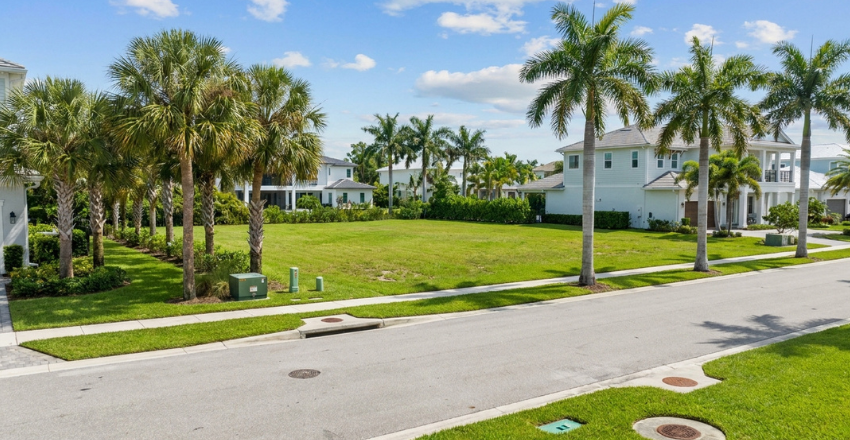
Wetlands can limit where you clear, fill, grade, or build. Florida uses a formal methodology based on vegetation, soils, and hydrology to identify wetland boundaries. The Florida Department of Environmental Protection performs formal delineations and provides technical guidance. They show possible wet areas, but they shouldn’t replace a site-specific review. A qualified environmental consultant can inspect the parcel and mark relevant boundaries.
Ask whether your plans require an environmental resource permit. Unauthorized dredging or filling may trigger restoration requirements and financial penalties.
Utility and Site-Preparation Costs
Cheap acreage can become expensive when basic services are distant. Contact utility providers rather than relying on phrases like “power nearby.”
Check the availability and estimated cost of:
- Electric service
- Public water
- Public sewer
- Septic approval
- Well installation
- Internet and cellular service
- Driveway construction
- Clearing and grading
A parcel without public sewer may need a soil or septic evaluation. Poor soil, a high water table, or limited usable space can affect system design.
Create two numbers before making an offer: the purchase price and the estimated ready-to-use cost. The second figure provides a better comparison between the parcels.
6. Review the Survey, Title, Taxes, and Restrictions
Hire a title professional or real estate attorney to examine ownership and recorded claims. The review may identify liens, easements, mineral rights, unpaid assessments, deed restrictions, or ownership disputes.
A current boundary survey can show acreage, encroachments, access points, and improvements. Don’t rely solely on fence lines, online parcel outlines, or a seller’s estimate.
Check the county property appraiser and tax collector records too. Confirm:
- Current assessed value
- Annual property tax
- Special assessments
- Delinquent amounts
- Parcel identification
- Recorded owner
- Homestead or agricultural classifications
Tax treatment may change after a sale or a change in use, so ask the relevant county office how your plans could affect future bills.
7. Visit the Parcel and Use a Protective Contract
Walk the land before buying whenever possible. Visit after rain if drainage is a concern. Look at the road, neighboring uses, standing water, dumping, noise, vegetation, power lines, and the proposed building area.
Use a written contract with enough time to complete inspections. Suitable contingencies may address financing, title, survey, zoning, environmental review, septic feasibility, access, and utilities.
A deposit shouldn’t force you to accept property that fails your essential checks. Have a Florida-licensed real estate attorney review contractual language when the terms or risks are unclear.
Availability and the Next Step
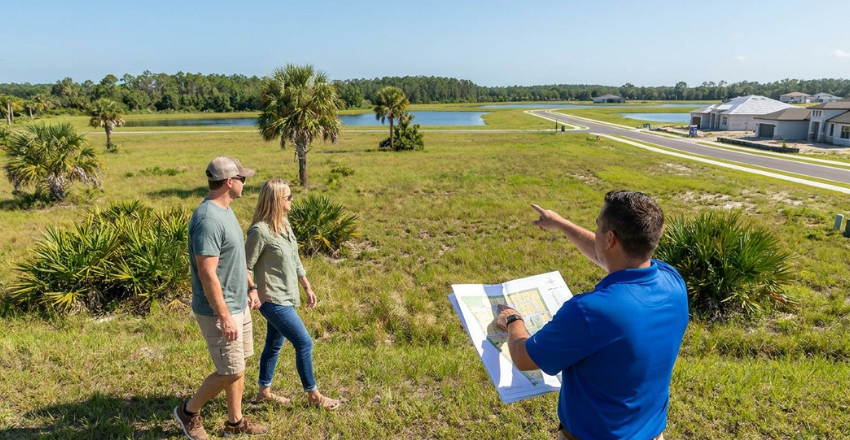
Inventory and asking prices change by county, parcel size, permitted use, road access, and development potential. Search active listings, but verify availability directly with the listing broker, agent, or owner before paying for inspections.
Once you identify a parcel, request the parcel number, legal description, deed, survey, restrictions, tax record, and utility details. Then contact the county planning office and schedule a site visit before submitting a firm offer.
Gladnota describes itself as a property-focused information platform for homeowners and investors rather than a real estate brokerage or listing service.
If you want to know about Real Estate Attorney, then please visit our Real Estate category.
FAQs
Lower-priced parcels are often found away from major coastal cities and established urban centers. Price alone doesn’t prove value. Compare legal access, wetlands, flood exposure, utilities, zoning, and site-preparation expenses before choosing a county.
You may be able to build when zoning, lot size, access, setbacks, environmental conditions, utilities, and building requirements allow it. Ask the county planning and building departments to review the parcel and your intended use.
Search the parcel through FEMA’s official Flood Map Service Center. Then consider elevation data, drainage conditions, access routes, local records, and an insurance estimate.
Start with available mapping, then request a site-specific review from a qualified environmental professional or the appropriate regulatory agency. Florida DEP provides resources for wetland evaluation and delineation.
It can suit buyers who understand the parcel’s use, carrying costs, market demand, and development limits. Returns aren’t guaranteed. Base your decision on comparable sales, total costs, realistic holding periods, and a clear resale or use plan.