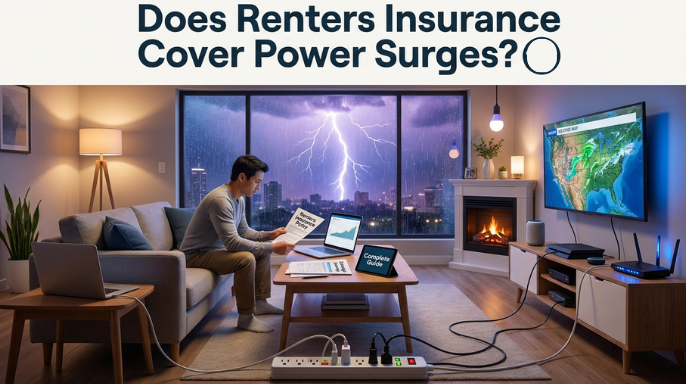
Does renters insurance cover power surges? It may cover damaged electronics when the surge results from a covered event, such as lightning or fire. A surge caused by faulty wiring, an aging appliance, utility maintenance, or ordinary electrical failure may be excluded. Your policy wording, deductible, limits, and settlement method determine the final payout.
| Key question | General answer |
| Are lightning-related surges covered? | Often, because lightning is commonly a covered peril |
| Are utility-company surges covered? | Sometimes, but many policies exclude artificially generated current |
| Are computers and TVs protected? | They may be covered as personal property after a covered loss |
| Does the deductible apply? | Usually, unless the policy states otherwise |
| Will the insurer pay the new replacement price? | Only when you have replacement-cost coverage |
| Should you file every small claim? | Compare the loss with your deductible first |
Key Takeaways
- The cause of the electrical spike matters more than the outage itself.
- Lightning and a resulting fire are commonly covered causes.
- Grid problems, faulty wiring, and appliance failure may be excluded.
- Personal property limits and electronics sublimits can reduce the payment.
- Photos, receipts, model numbers, and evidence of the cause can support a claim.
- Equipment-breakdown coverage may fill gaps left by a standard policy.
When Does Renters Insurance Cover Power Surges?
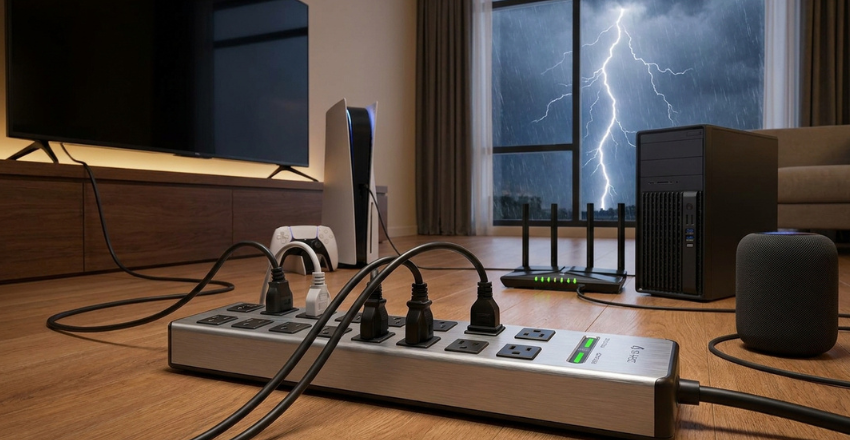
A standard tenant policy protects personal belongings from listed risks or from risks not specifically excluded, depending on the policy form. The National Association of Insurance Commissioners notes that common broad-form coverage includes losses caused by fire and lightning.
That distinction matters because an electrical spike isn’t always treated as an independent covered event. The adjuster will usually look for the source of the damage.
Coverage is more likely in situations such as:
- Lightning strikes a transformer and sends excess voltage into the apartment.
- A covered fire damages the electrical system and destroys plugged-in devices.
- Wind damage to power lines can cause electrical events that harm your belongings.
- A surge starts a fire that damages furniture, clothing, or electronics.
GEICO states that lightning-related surge damage is usually covered and that resulting fire damage may also qualify. Coverage remains subject to deductibles, limits, and the specific policy.
Progressive gives similar guidance. Its consumer information says personal property coverage may protect belongings after a lightning-related spike, while artificially generated current may or may not be covered.
When a Surge May Not Be Covered
A claim may be denied when the damage is caused by an excluded cause. Common examples include ordinary equipment failure, worn wiring, circuit overloads, or a spike created by utility work.
Several insurers distinguish natural electricity from artificially generated current. That language can affect a claim involving:
- A utility switching operation
- Power restoration after a blackout
- A malfunctioning transformer
- Faulty wiring inside the rental
- An overloaded outlet or extension cord
- A refrigerator, air conditioner, or other appliance cycling on and off
- Gradual electrical damage rather than a sudden incident
GEICO explains that many policies exclude utility-related spikes, faulty appliances, and wiring problems. Progressive also advises policyholders to check for exclusions involving artificially generated current.
Coverage can vary by insurer and state. Read the “perils insured against,” “exclusions,” and “electrical current” sections of your policy. Ask the insurer to explain any wording that isn’t clear.
Power Surge vs. Power Outage
A power outage means electricity stops flowing. A surge means voltage rises above its normal level. The two events can happen together, but an insurance policy may treat them differently.
A basic blackout without physical damage usually won’t create a personal-property claim. Turning the power back on may produce a spike that damages a television, computer, or game console.
Lemonade’s current consumer guidance says outage-related losses aren’t automatically covered. It says surge damage may qualify when it follows a covered peril, including lightning, fire, vandalism, or wind damage.
This cause-and-effect test also applies to spoiled food. Food loss after a routine grid interruption may be excluded. Food spoiled after an outage caused by a covered storm may receive different treatment, depending on policy terms and any food-spoilage endorsement.
Which Belongings May Be Protected?

Personal-property coverage can apply to items you own rather than the building itself. A landlord’s policy normally protects the structure, not a tenant’s possessions. The NAIC advises renters that their own coverage is needed to protect personal belongings from insured losses.
Potentially covered items include:
- Televisions and monitors
- Desktop and laptop computers
- Gaming consoles
- Routers and networking equipment
- Audio systems
- Small kitchen appliances
- Tenant-owned refrigerators or freezers
- Smart-home devices
- Home-office equipment
Built-in wiring, electrical panels, and landlord-owned appliances usually fall under the property owner’s responsibility. Report signs of electrical damage to the landlord at once. Scorch marks, buzzing outlets, smoke, sparks, or a burning smell require urgent attention.
Gladnota readers can also review the site’s broader rental resources and apartment-living guidance. These category pages are live, although they did not contain additional insurance articles when this draft was prepared.
How Deductibles and Settlement Terms Affect Payment
Even an approved claim may produce little or no payment. The deductible is the amount you pay before the insurer contributes.
Suppose lightning destroys a television worth $900 and your deductible is $500. The maximum starting payment would be $400, before considering depreciation, limits, or other policy terms.
Your settlement method also matters:
| Settlement method | How payment is calculated | Possible result |
| Actual cash value | Replacement price minus depreciation | Lower payment for older devices |
| Replacement cost | Cost of a comparable new item, subject to policy rules | Higher potential payment |
| Scheduled-item coverage | Uses terms assigned to a listed valuable item | May provide broader or higher limits |
The NAIC explains that actual-cash-value coverage accounts for depreciation. Replacement-cost coverage can reimburse the cost of a new equivalent item after required documentation is submitted.
Check for sublimits on computers, business property, collectibles, or high-value electronics. A general personal-property limit doesn’t always mean every device is insured for the full amount.
What to Do After Electrical Damage

Act safely before thinking about the claim. Don’t touch smoking, sparking, or overheated equipment. Contact emergency services when there is a fire or immediate danger.
Then take these steps:
- Disconnect power safely. Unplug devices only when there is no fire, water, smoke, or shock hazard.
- Notify the landlord. Report damaged outlets, wiring, panels, and landlord-owned equipment.
- Document the scene. Photograph devices, outlets, surge protectors, and visible damage.
- List each affected item. Record the brand, model, age, purchase price, and estimated replacement cost.
- Preserve evidence. Don’t discard damaged equipment before the insurer authorizes disposal.
- Confirm the cause. Save utility notices, weather alerts, electrician reports, and fire-department records.
- Contact the insurer. Ask whether the event is covered and what documents are required.
- Compare the loss with your deductible. A small claim may produce no payment.
GEICO recommends keeping photographs, receipts, serial numbers, and model information. Progressive also advises documenting damage with photos and video.
How to Reduce Future Damage
Insurance can reimburse an eligible loss, but prevention may save more time and money. Use a true surge-protection device rather than a basic power strip. Look for a recognized safety certification and replace the unit according to the manufacturer’s instructions.
A worn protector may continue supplying power after its protective components have failed. During severe weather, unplug sensitive electronics when it is safe to do so. Ask the landlord to investigate flickering lights, warm outlets, repeated breaker trips, buzzing, or scorch marks.
State Farm says electrical spikes can come from utility switching, appliances, infrastructure problems, and nearby lightning. It recommends point-of-use protection and a properly grounded electrical system.
Renters with costly computers, entertainment systems, or home-office equipment can also ask about:
- Equipment-breakdown coverage
- Replacement-cost personal-property coverage
- Higher electronics limits
- Scheduled coverage for valuable devices
- Business-property coverage for work equipment
Check Your Policy Before the Next Storm
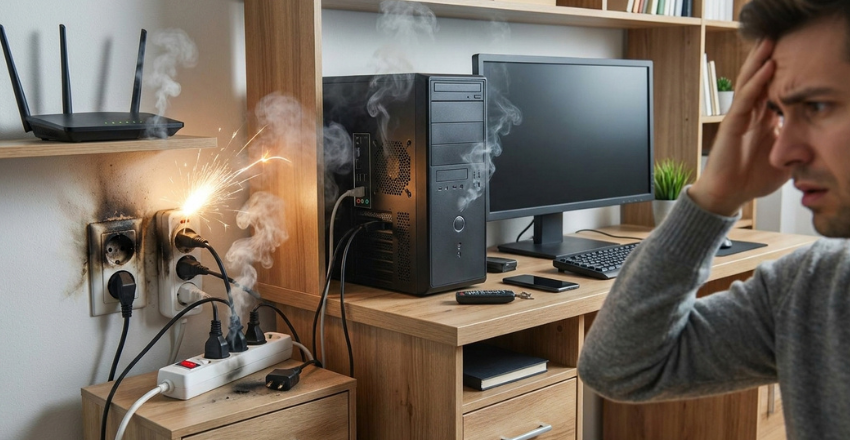
Review your declarations page, covered perils, electrical-current exclusion, deductible, settlement method, and electronics limits. Ask your insurer one direct question: “Would my personal-property coverage protect my devices after a surge caused by lightning, utility work, or power restoration?”
A written answer can help you identify gaps before damage occurs. Add equipment breakdown or higher electronics coverage when the potential loss would be difficult to absorb.
If you want to learn about Does Renters Insurance Cover Appliances, please visit our Rentals category.
Frequently Asked Questions
Often, yes. Lightning is commonly listed as a covered peril, and damage to personal belongings from a lightning-related electrical spike may qualify. The deductible, limits, exclusions, and proof of loss still apply.
Coverage depends on the policy. Some contracts exclude damage caused by artificially generated electrical current. Report the incident to both the insurer and utility provider, and request written confirmation of the cause.
It may repair or replace the computer when a covered event caused the damage. The payment depends on the device’s value, your deductible, any electronics sublimit, and whether the policy uses actual cash value or replacement cost.
No. Using one may help prevent damage, but it doesn’t change the policy’s covered causes or exclusions. Keep the damaged protector because the adjuster or an electrician may need to inspect it.
It may be useful when you own expensive electronics or appliances. This optional protection can cover certain internal electrical or mechanical failures that a standard tenant policy excludes. Terms and availability vary by insurer.