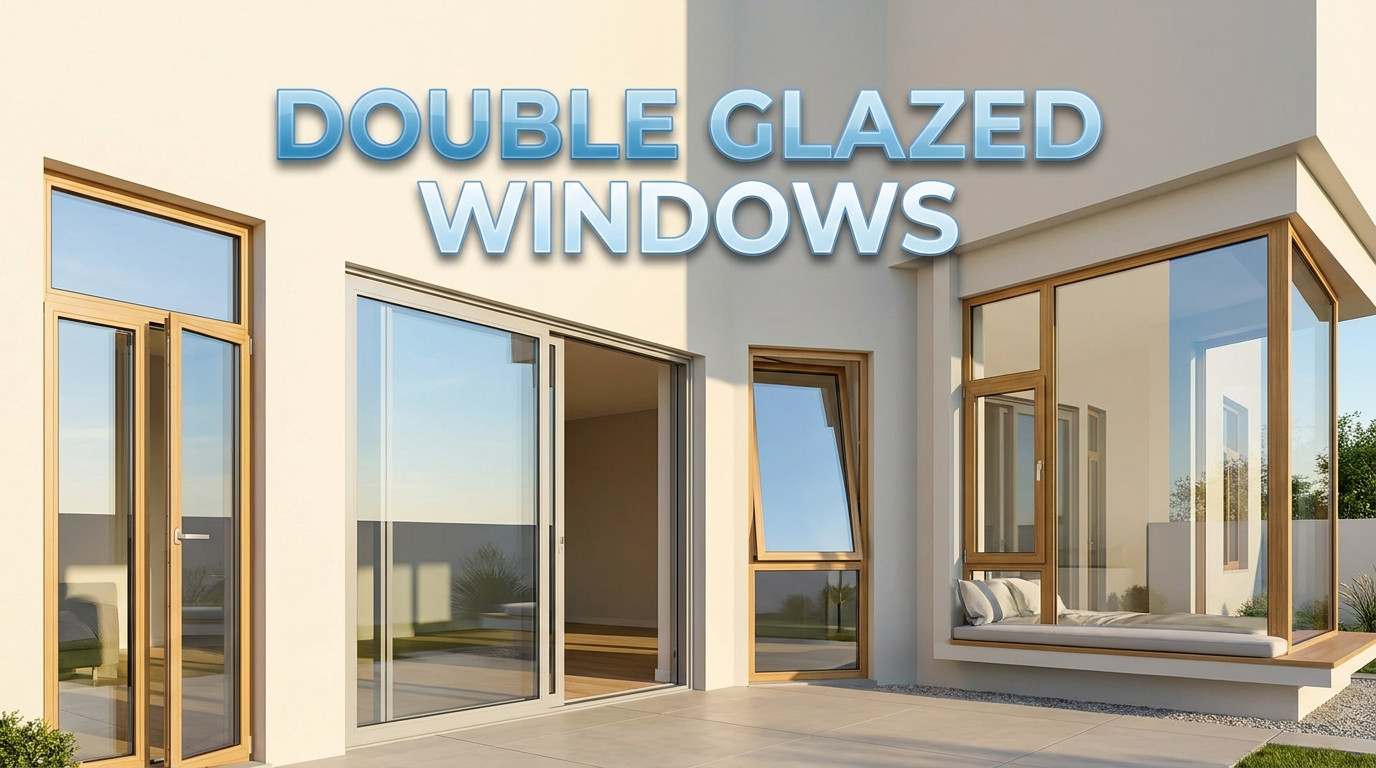
Double-glazed windows use two panes of glass separated by a sealed gap. This design slows heat transfer, improves comfort, and can reduce outside noise. They’re often worth considering when existing windows are single-pane, damaged, draughty, or uncomfortable to sit near.
Direct answer: Double-pane units can make a home more comfortable by limiting unwanted heat loss and heat gain. Their value depends on the complete product, including the glass coating, frame, spacer, seals, installation quality, local climate, and condition of your existing windows.
| Key Point | What Homeowners Should Know? |
| Basic construction | Two panes separated by a sealed air- or gas-filled gap |
| Main benefit | Reduced heat transfer through the window |
| Other benefits | Better comfort, less noise, and a warmer interior glass surface |
| Useful upgrades | Low-E coatings, argon gas, insulated spacers, and efficient frames |
| Important rating | U-factor measures heat transfer; lower values mean better insulation |
| Main drawback | Higher purchase and installation cost than basic single-pane products |
| Best use | New construction or replacement of old, failing, or inefficient windows |
Key Takeaways
- Two panes and a sealed gap provide more insulation than one pane.
- Low-E coatings can improve performance in both heating and cooling climates.
- The frame and installation matter as much as the glass package.
- Condensation between the panes usually indicates a failed insulated-glass seal.
- Quotes should show performance ratings, warranties, labor, and disposal costs.
- Replacing sound windows for energy savings alone may provide a slow financial return.
How Insulated Windows Work

A double-pane window contains two sheets of glass held apart by a spacer. Manufacturers seal the perimeter to create an enclosed space between the panes. That space may contain dry air or an inert gas such as argon. The gap reduces heat movement compared with a single sheet of glass.
The National Fenestration Rating Council’s consumer guide states that clear double-pane glass can cut heat loss roughly in half compared with clear single glazing. Actual whole-window performance also depends on the frame, seals, spacer, coatings, and installation. A low-emissivity, or low-E, coating adds another layer of control.
It reflects selected infrared energy while allowing useful daylight through. Products can be designed for heating-dominated, cooling-dominated, or mixed climates, so the same glass package isn’t ideal everywhere.
7 Benefits Of Double-Glazed Windows
1. Lower Heat Transfer
In double-glazed windows, the sealed space between the panes slows the transfer of unwanted heat. During cold weather, less indoor warmth reaches the exterior. During hot weather, a suitable glass coating can reduce the amount of solar heat entering the room.
Windows can form a significant weak point in a building’s thermal envelope. The U.S. Department of Energy reports that windows may account for 30% to 40% of winter heat loss in a typical home, despite covering only a small fraction of its surface area.
2. More Consistent Indoor Temperatures
An efficient window can reduce hot and cold zones near exterior walls. The interior pane usually stays warmer during winter than the glass in an older single-pane unit.
This matters even when the thermostat reading doesn’t change. A cold glass surface can pull heat from your body, making a room feel uncomfortable. ENERGY STAR identifies improved comfort near windows as a key benefit of certified products.
3. Potential Heating And Cooling Savings

Energy savings vary by climate, window area, shading, HVAC efficiency, utility rates, and the product being replaced. Replacing a poor single-pane unit generally offers more improvement than replacing a recent, well-installed model. ENERGY STAR says certified windows can reduce household heating and cooling bills by an average of up to 13% nationwide when replacing single-pane windows.
Treat that figure as a broad estimate, not a guaranteed saving for an individual property. Homeowners planning a larger efficiency project should compare window work with improvements in insulation, air sealing, shading, and HVAC.
Gladnota’s home-remodeling guide can help you organize the scope, budget, quotes, and product selections before construction begins.
4. Reduced Outdoor Noise
Two panes can provide better sound control than one, particularly when the complete window is airtight. Proper installation for double-glazed windows is critical because sound can travel through gaps between the frame and wall.
For demanding locations, ask about laminated glass, different pane thicknesses, wider glass spacing, and tested sound-transmission ratings. The NFRC consumer guide notes that reducing air infiltration is one of the most important steps for controlling direct sound transmission.
5. Less Interior-Surface Condensation
A warmer interior pane is less likely to reach the temperature at which indoor moisture condenses. This can reduce water collecting on the room-facing surface during cold weather. New glass won’t solve every moisture problem.
Cooking, showering, drying laundry indoors, poor ventilation, and high indoor humidity can still cause condensation. Extractor fans, ventilation, and moisture control may also be needed.
Moisture trapped between the two panes is a different problem. It often signals a failed perimeter seal, which can release insulating gas and allow water vapor into the unit.
6. Better Control Of Solar Heat

A standard clear double-pane unit may still admit a large amount of solar heat. ENERGY STAR notes that a standard product allows about 75% of the sun’s heat into a home. Low-E coatings can lower that heat gain without blocking all visible light.
In a hot climate, prioritize a suitable solar heat gain coefficient, exterior shading, and correct window orientation. In colder regions, controlled winter solar gain may be useful. Product selection should reflect where each window faces, not only the home’s general climate zone.
7. Improved Replacement-Window Performance
A new unit can address several problems at once when the current window has cracked glass, failed seals, damaged frames, water intrusion, or persistent air leakage. The benefit is strongest when the replacement corrects an existing fault.
A basic glass upgrade may offer limited results if installers leave gaps around the frame. The Department of Energy warns that air leakage through window assemblies can be a significant source of unwanted heat loss or gain.
Double-Pane vs. Single-Pane vs. Triple-Pane
| Feature | Single-pane | Double-pane | Triple-pane |
| Glass layers | One | Two | Three |
| Insulation | Lowest | Good for many homes | Highest of the three |
| Weight | Lightest | Moderate | Heaviest |
| Typical cost | Lowest | Mid-range | Highest |
| Noise control | Limited | Improved | Can improve further |
| Best fit | Mild conditions or secondary buildings | Broad residential use | Cold climates or high-performance projects |
Triple-pane products aren’t automatically the right choice. They cost more, weigh more, and may offer a modest gain in a mild climate. Compare whole-window U-factor, solar heat gain, air leakage, price, frame quality, and installation, rather than choosing based on pane count alone.
What to Check Before Buying?
Ask each supplier for the same details so you can compare quotations accurately:
- Whole-window U-factor
- Solar heat gain coefficient
- Visible transmittance
- Air-leakage rating
- Frame material and thermal-break design
- Low-E coating type
- Gas fill and spacer construction
- Hardware and locking system
- Installation method
- Glass, frame, seal, and labor warranties
- Removal and disposal of old units
- Interior and exterior finishing
A lower U-factor means the window as a whole transfers less heat. Don’t compare center-of-glass figures with whole-window ratings, as the frame can significantly affect performance.
Request at least three itemized quotes when possible. Confirm whether the price includes measurements, permits, delivery, removal, trim repairs, sealants, disposal, and final cleanup. Gladnota’s broader home improvement resources can help you assess related maintenance and upgrade decisions.
Best Options
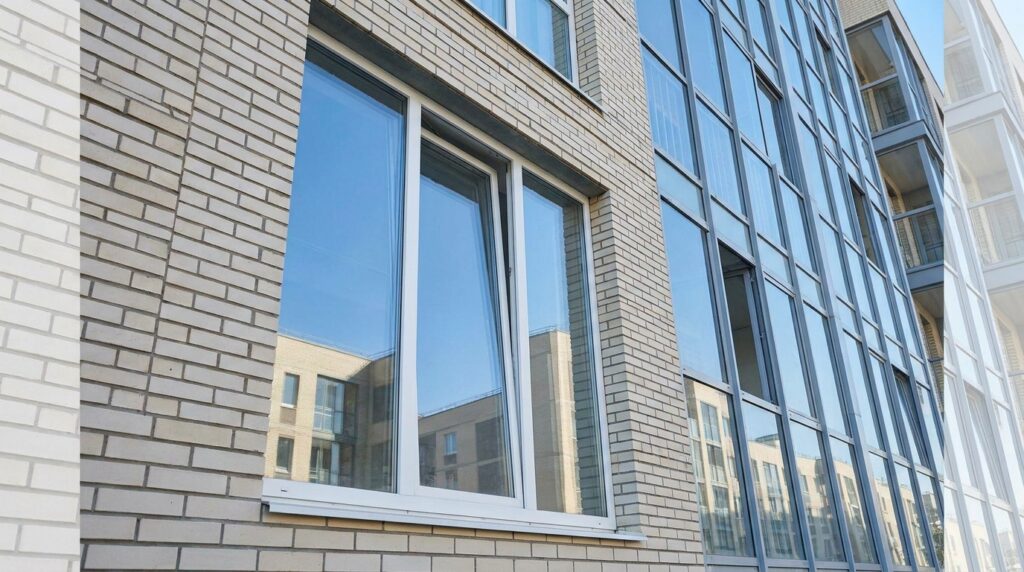
- uPVC Double Glazed Windows – Affordable, energy-efficient, low-maintenance, and resistant to weather and corrosion.
- Aluminium Double Glazed Windows – Strong, lightweight, modern-looking, and ideal for large window designs.
- Timber Double Glazed Windows – Offer natural beauty, excellent insulation, and a classic appearance.
- Casement Double Glazed Windows – Hinged design provides excellent ventilation and an airtight seal.
- Sliding Double Glazed Windows – Space-saving design that glides smoothly and is easy to operate.
- Tilt-and-Turn Double-Glazed Windows – Open inward for easy cleaning while providing flexible ventilation.
- Bay Double Glazed Windows – Extends outward to create extra interior space and allows more natural light.
Are They Worth the Cost?
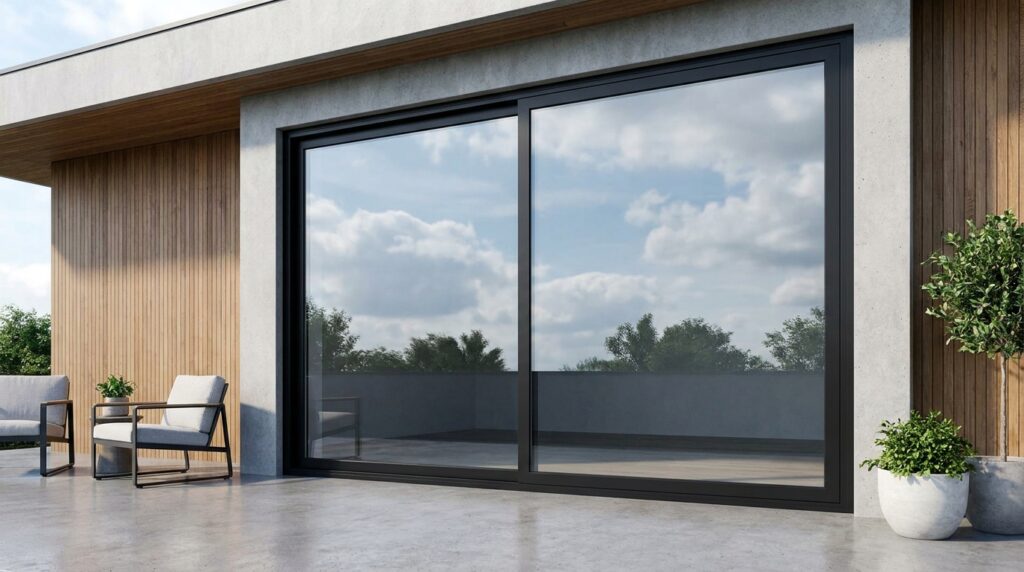
Verdict: Double-glazed windows are most likely to be worthwhile when existing windows are single-pane, physically damaged, difficult to operate, draughty, or affected by failed seals. They also make sense during new construction or renovations that already require frame removal. Typical installed cost ranges from $300 to $1,500 per window, depending on size, frame material, and glazing type.
The case is weaker when you have sound, relatively new windows and expect energy savings alone to quickly recover the full replacement cost. Comfort, noise reduction, appearance, lower maintenance, and long-term property value often provide greater benefits than utility savings alone. Window choices also interact with cooling equipment. Reducing summer heat gain can lower the cooling load, but an oversized or inefficient air conditioner can still waste energy, limiting the overall savings.
Gladnota’s guide to home AC compressor performance explains how the cooling cycle affects indoor comfort.
Get Quotes Based on Performance, Not Sales Claims
Start with a room-by-room assessment. Note draughts, damaged seals, condensation, harsh sunlight, traffic noise, and uncomfortable temperatures. Then request products suited to those specific problems.
Ask installers to identify the exact window model and provide written certified performance ratings. Compare warranties and installation details before accepting a quote. A well-selected mid-range unit installed correctly can be a better purchase than premium glass fitted into a poor frame.
Frequently Asked Questions
They can be worthwhile when replacing single-pane, leaking, damaged, or failed windows. The strongest benefits are improved comfort, lower heat transfer, and better noise control. The financial return depends on your climate, energy prices, existing windows, product ratings, and installation quality.
Service life varies by climate, materials, exposure, manufacturing quality, and installation. Watch for fogging between panes, water intrusion, frame movement, cracked seals, or hardware problems. Warranty length can help when comparing products, but it doesn’t guarantee identical real-world longevity.
Sometimes. A contractor may be able to replace the glass unit when the frame is sound and designed to accept it. Full-frame replacement is usually more suitable when the frame is rotten, distorted, poorly insulated, or leaking around the wall opening.
No. They can reduce noise but won’t create a soundproof room. Results depend on glass thickness, spacing, laminated layers, frame airtightness, seals, wall construction, vents, and installation.
Fog or droplets inside the sealed cavity usually indicate seal failure. Moisture has entered the unit, and insulating gas may have escaped. The glass unit often needs replacement, though the surrounding frame may remain usable.
It isn’t mandatory, but it can improve thermal and solar performance. Choose the coating based on climate, window orientation, shading, and whether heating or cooling is the greater concern.