Air-drying laundry can lower your reliance on a powered dryer and give you flexible drying space. The right clothesline depends on your yard, laundry volume, weather, and available anchor points. Your housing rules and preferred installation also affect which design makes sense.
A practical drying setup matches your available space, laundry volume, weather exposure, and installation limits. Fixed lines favor large yards and heavy loads. Retractable systems suit patios and tight spaces. Rotary models add capacity in a compact footprint, while portable racks work well for renters, travel, and flexible indoor use.
| Key factor | What to consider |
|---|---|
| Available space | Yard width, patio walls, balcony size, or indoor room |
| Laundry volume | Small daily loads, family loads, towels, sheets, or bedding |
| Installation | Permanent posts, wall mounting, freestanding use, or temporary anchors |
| Weather | Sun, humidity, wind, rain, and seasonal storage needs |
| Line material | Cotton, synthetic rope, coated wire, or metal components |
| Housing rules | Lease terms, HOA rules, and applicable local or state requirements |
| Maintenance | Tensioning, cleaning, rust prevention, and hardware inspections |
Key Takeaways
- Fixed lines offer simple construction and generous capacity for larger yards.
- Retractable systems free the space after laundry dries.
- Rotary designs provide substantial hanging length within a compact ground area.
- Portable racks suit renters, apartments, camping, and changing drying locations.
- Outdoor materials should resist moisture, stretching, corrosion, and sun exposure.
- Permanent installations should follow property rules and local requirements.
- Proper airflow and spacing often matter more than direct sunlight.
Which Clothesline Type Fits Your Home?
Four common designs cover most household needs: fixed, retractable, rotary, and portable. Each balances drying capacity, storage, installation effort, and usable space differently. Start with your available area before comparing materials or added features.
| Drying type | Good fit for | Main advantages | Main drawbacks |
|---|---|---|---|
| Fixed line | Large yards and frequent laundry | Simple, durable, high capacity | Permanent footprint and visible lines |
| Retractable | Patios and narrow spaces | Stores away after use | Requires secure opposing anchors |
| Rotary | Families with limited yard width | Large line length in compact area | Needs clear space around the center |
| Portable rack | Renters and flexible use | No permanent installation | Lower capacity on many models |
A permanent line usually makes sense when you have dedicated outdoor space and frequent laundry. A retractable or portable design works better when the area has several purposes. Rotary systems sit between those options by combining capacity with a smaller footprint.
1. Fixed Lines Offer Simple, High-Capacity Drying
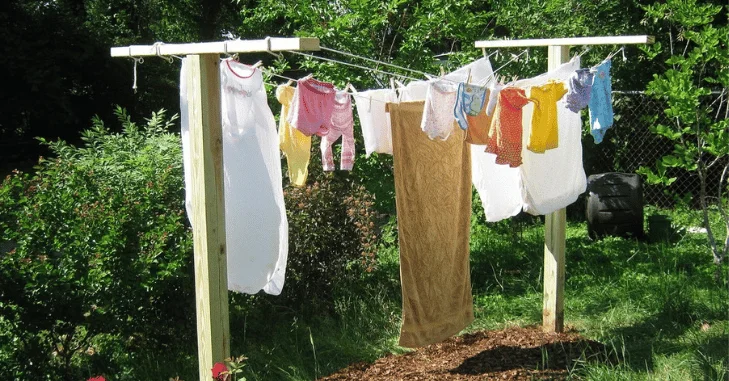
A traditional fixed setup stretches one or more lines between secure posts or structural anchors. It can handle long runs without complicated moving parts. Multiple parallel lines also make sheets, towels, and family loads easier to separate.
This design works well when you have a dedicated section of yard available. Strong posts and good tension matter because wet laundry places a constant load on the system. Long spans may also need tension adjustments as the material settles.
Installation usually requires more planning than portable or retractable designs. Post-mounted systems can involve digging, concrete, measuring, and basic hardware. Gladnota’s tool-brand guide can help if the project requires new homeowner tools.
2. Retractable Lines Work Well in Shared Spaces
Retractable models store the line inside a wall-mounted housing after each drying session. They work well across patios, side yards, laundry rooms, and other multipurpose areas. You regain the walking space once the laundry comes down.
The opposing anchor must remain solid under a loaded line. Weak fasteners can loosen, while an overloaded cord may develop noticeable sag. Check the manufacturer’s mounting and weight instructions before choosing hardware.
A covered porch can offer useful protection during changing weather while preserving airflow. Placement still needs to respect walking paths, seating, and doors. Gladnota’s screened-in porch ideas provide useful planning concepts for multipurpose covered spaces.
3. Rotary Designs Provide Plenty of Hanging Space
A rotary dryer uses several lines arranged around a central vertical support. The arms create considerable hanging length without needing a long rectangular yard. You can also reach different sections by moving around the unit or rotating its frame.
These systems need open clearance around the entire drying area. Trees, fences, walls, play equipment, and furniture can interfere with full use. Measure the open diameter before choosing a model.
Many rotary units fold or collapse when they are not needed. The main support still requires a stable base on permanent models. Portable versions can avoid ground installation but usually offer less stability.
4. Portable Racks Suit Renters and Flexible Homes
Portable designs include folding racks, travel cords, freestanding frames, and compact collapsible systems. They can move between a balcony, bathroom, patio, spare room, or campsite. That flexibility makes them useful when permanent mounting is unavailable.
Capacity varies widely, so compare usable hanging length instead of outside dimensions alone. A compact rack may hold shirts comfortably but struggle with sheets. Stable feet and balanced loading also matter on windy patios.
Storage deserves attention before you buy a large folding model. Measure the closet or utility area where the unit will live. Gladnota’s small-closet organization guide offers practical ideas for making limited storage space work harder.
Choose a Line Material That Matches the Location
Material affects grip, stretching, weather resistance, cleaning, and long-term tension. Cotton offers good clothespin grip but absorbs moisture. Synthetic and coated materials generally handle repeated outdoor exposure with less water absorption.
| Material | Strengths | Trade-offs | Practical use |
|---|---|---|---|
| Cotton rope | Good grip and soft surface | Absorbs moisture and needs care | Covered or removable setups |
| Nylon or polypropylene | Light and moisture-resistant | Can feel slippery | Humid locations and portable lines |
| PVC-coated line | Easy to wipe and low stretch | Quality varies by core. | Permanent outdoor systems |
| Coated steel wire | High strength and limited stretch | Requires proper fittings | Long-term fixed installations |
The Old Farmer’s Almanac estimates that an average wash load may use about 35 feet of line. It also notes that wet laundry creates a substantial load before moisture evaporates. Capacity should reflect hanging length and supported weight, not appearance alone.
Measure Space and Capacity Before Buying
Start by measuring the clear distance between possible mounting points. Then consider doors, walkways, windows, fences, trees, and outdoor furniture. Leave enough clearance so wet garments do not brush dirty surfaces.
Think about the largest items you dry rather than your smallest regular load. Sheets and bath towels need more uninterrupted hanging space than shirts. Several shorter lines may work better than one long span that develops excessive sag.
Families should also consider how many washer loads they want hanging simultaneously. More capacity can reduce the need to wait between loads. Smaller households may value easy storage more than maximum line length.
Plan the Placement for Airflow and Comfortable Reach
Moving air helps moisture leave fabric, so an open location is useful. Direct sunlight can speed drying in suitable weather, but constant strong sun may fade some fabrics. Follow garment care labels when drying colored, delicate, or heat-sensitive items.
Mounting height should fit the people who use the system most often. Many installation guides place outdoor lines around six to seven feet high. A comfortable reach and enough clearance for long items are more useful than one universal measurement.
Avoid placing permanent posts where they create a collision or mowing hazard. Keep loaded lines away from grills, fire pits, and dirty work areas. Think through the route from your laundry room to the drying area before installation.
Check HOA, Lease, and Local Rules Before Permanent Installation
Outdoor drying rules are not uniform across the United States. State law, local ordinances, leases, and HOA documents can affect placement or installation. Check the rules that apply to your property before setting permanent posts.
Some states provide specific protections while still allowing reasonable placement rules. California, for example, protects certain backyard drying arrangements in common-interest developments. Its law still permits reasonable restrictions under defined circumstances.
Renters should also get permission before attaching hardware to a building. A freestanding rack can avoid many mounting concerns. Retractable units may still require approval when screws or anchors penetrate walls.
Install and Maintain the System Carefully
Permanent supports should stay stable under repeated wet loads and wind movement. Use hardware appropriate for the wall, post, or structural material involved. Follow the product manufacturer’s installation instructions rather than guessing fastener sizes.
Inspect tension periodically because ropes and connections can settle with use. Replace frayed cord, damaged coatings, corroded hardware, or loose anchors before they fail. Wipe outdoor lines when dirt, pollen, or mildew collects on their surface.
Keep the surrounding patio or slab clean so dropped items do not land on grime. A clean work area also makes hardware problems easier to spot. Gladnota’s concrete cleaning guide covers routine outdoor surface care.
How to Air-Dry Laundry More Effectively
Good hanging technique can shorten drying time and reduce wrinkles. Give garments room for moving air instead of packing every inch tightly. Shake each item before hanging so folds do not trap moisture.
Use these practical habits:
- Run an effective washer spin cycle before hanging heavy items.
- Leave small gaps between garments whenever space allows.
- Hang shirts from sturdy seams rather than delicate fabric areas.
- Spread towels and sheets across enough line to expose more surface.
- Turn thick items if one side remains damp.
- Bring laundry inside before rain, heavy overnight moisture, or severe weather.
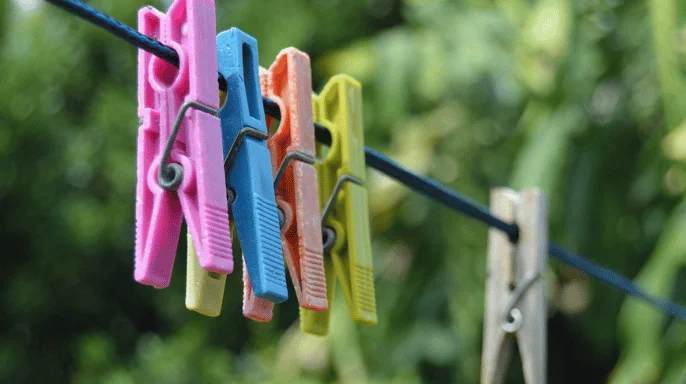
Match your clothespins to both the line and the garment weight. Strong wind may require firmer pins on towels and sheets. Delicate fabrics may need gentler clips or flat indoor drying instead.
Verdict: Match the Design to How You Live
Choose a fixed system if you have dedicated yard space and regularly dry large loads. Pick retractable equipment when a patio or side yard must stay open between laundry days. A rotary design works well when you need more hanging length without a long straight run.
Portable racks make the most sense for renters, apartments, travel, or seasonal drying. They also provide a useful backup during bad weather. The right choice is the system you can load, store, and maintain without creating extra work.
Before buying, measure your space and estimate the hanging length you use each week. Then compare installation limits, materials, and supported load. That process is more dependable than choosing by appearance alone.
Frequently Asked Questions
What type of clothesline works well for a small yard?
Retractable models are practical because they disappear after the laundry comes down. Compact rotary systems can also provide substantial hanging length within limited ground space. Measure the required operating clearance before choosing either design.
How much drying line do I need for one laundry load?
The Old Farmer’s Almanac suggests roughly 35 feet for an average wash load. Large towels, sheets, and bulky clothing can require more space. Household habits should determine your final capacity rather than one fixed number.
Which line material works well outdoors?
Coated wire and weather-resistant synthetic lines suit permanent outdoor exposure well. Cotton offers good grip but absorbs water and may need more maintenance. Check UV resistance, supported load, and tension requirements before buying.
Can an HOA stop me from drying clothes outside?
The answer depends on your state and the rules governing your property. Some jurisdictions protect outdoor drying while allowing reasonable restrictions on placement. Review current state law, HOA documents, lease terms, and local codes before installation.
How can I reduce sagging?
Use strong anchors and avoid exceeding the system’s stated capacity. Lines that stretch may need periodic retensioning after repeated wet loads. A proper tensioning device can make future adjustments easier.
Your Next Step
Measure the space where you expect to dry laundry most often. Record the clear span, mounting surfaces, storage space, and typical weekly laundry volume. Then shortlist the design that fits those measurements without blocking normal household activity.
Check property rules before drilling walls or setting posts in concrete. Compare construction materials and load specifications after confirming installation is allowed. A few measurements now can prevent an awkward or undersized setup later.