

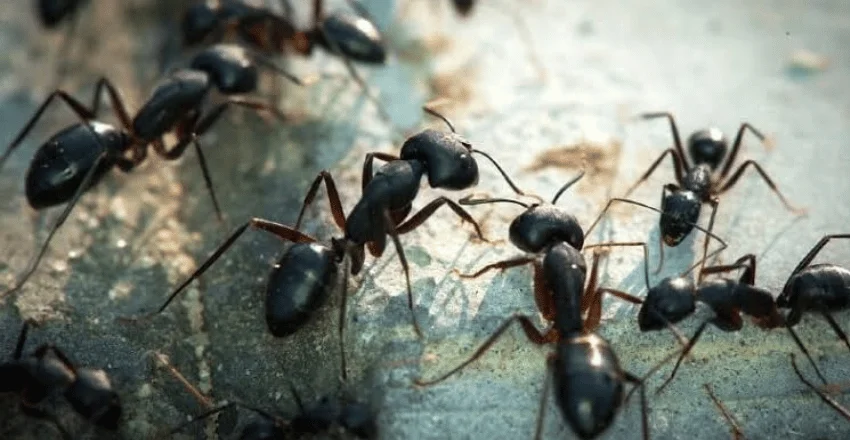
A professional ant exterminator can identify the species, trace likely nesting areas, and choose an appropriate treatment. Professional help makes sense when ants repeatedly return, spread through several rooms, or appear near damaged wood. It can also be useful when careful home baiting has failed.
| Quick fact | What U.S. homeowners should know |
|---|---|
| Typical professional treatment | About $80–$500 for many one-time jobs |
| Common standard jobs | Often around $150–$300 |
| Higher-cost cases | Carpenter ants, severe infestations, hidden colonies, repeated treatments |
| Common treatments | Baits, targeted insecticides, mound treatment, crack-and-crevice applications |
| Strong reasons to call | Recurring activity, several affected rooms, wood damage, inaccessible nests |
| Before hiring | Confirm credentials, treatment scope, follow-ups, precautions, and total price. |
Direct answer: Hire a professional when ants keep returning, appear throughout your home, or may be nesting inside the structure. A technician should identify the species and inspect likely nesting areas before recommending treatment. Many U.S. one-time treatments cost about $80–$500, although difficult infestations can cost more.
When Do You Need an Ant Exterminator?
A few ants around spilled food do not always require professional pest control. Cleaning the area and using suitable bait may resolve a small, isolated problem. Persistent activity is different because visible ants may represent only foraging workers.
Recurring trails after repeated baiting are a good reason to consider professional help. Ants appearing in several rooms can also suggest a larger or difficult-to-reach colony. Activity emerging from walls, ceilings, or utility openings deserves closer investigation.
Carpenter ants require particular attention because they excavate wood to create nesting galleries. The University of Maryland Extension describes carpenter ant workers as 1/4 to 1/2 inch long and says their nest sites rarely exceed a few square feet. Even so, tunneling in key timbers can cause serious structural damage. Damp or moisture-damaged wood near the activity can also point to an underlying water problem.
Other warning signs include winged ants emerging indoors and coarse sawdust-like material near wood. These clues may indicate a nearby nest rather than ordinary outdoor foraging. Repeated surface spraying is unlikely to address the underlying cause in that situation.
What Does Professional Ant Treatment Include?
Good professional service starts with inspection rather than immediate spraying. The technician needs to understand where ants travel, what attracts them, and where colonies may be located. Species identification also affects which control method makes sense.
A technician may inspect kitchens, bathrooms, utility penetrations, foundations, windows, doors, and moisture-prone areas. Outdoor inspection can include foundations, vegetation, mounds, wood piles, and likely entry routes. The goal is to connect visible activity with its likely source.
Treatment may combine bait, targeted pesticide applications, mound treatment, and exclusion advice. The exact approach depends on species, nest location, infestation size, and property conditions. Randomly spraying every visible ant may reduce activity without eliminating a hidden colony.
Any pesticide treatment should follow the product label. Homeowners should also follow the technician’s instructions for children, pets, food, and treated areas. Ask what products will be used before treatment if anyone in the household has specific exposure concerns.
Why Killing Visible Ants May Not Solve the Problem
Workers walking across a counter are only part of an established colony. Killing those workers can make the room look better without reaching the nest. This distinction matters when activity returns days later.
Carpenter ant nests may occur inside walls, ceilings, subfloors, insulation, or moisture-damaged wood. Other household ants can also establish colonies outside the obvious trail. Effective treatment therefore depends on identifying the pest and finding likely nesting or feeding areas.
How Much Does Professional Ant Control Cost?
U.S. prices vary enough that homeowners should treat national figures as planning ranges. Many one-time professional treatments fall between about $80 and $500. Standard residential jobs often land closer to $150–$300.
Gladnota’s detailed ant exterminator cost guide breaks down prices by infestation severity and treatment method. It also covers factors that can raise the final bill. Reviewing those ranges can help you evaluate local quotes.
| Situation | Typical planning range |
|---|---|
| Standard professional treatment | $80–$500 |
| Small one-time treatment | Often $150–$300 |
| Carpenter ant treatment | Often $250–$500 or more |
| Follow-up visit | Often $40–$120 |
| Severe or recurring infestation | Can reach $500–$1,400 |
| Rare intensive treatment | Can exceed $1,000 |
Price usually rises when technicians must find concealed nests or treat several areas. Larger infestations may also require additional materials and return visits. Difficult access can increase inspection time and labor.
Property size matters as well. A detached garage, deck, crawl space, or large yard can expand the treatment area. Ask whether the quote covers the building only or the full property.
DIY Ant Control vs. Professional Treatment
DIY control remains reasonable for a small trail with an obvious food source. A correctly placed bait can be more useful than chasing individual workers with spray. You also need to remove competing food and moisture sources.
Gladnota’s homemade ant bait guide explains bait selection, placement, monitoring, and basic safety. It is designed for smaller household problems rather than widespread structural infestations. Stop relying on DIY methods when ants continue returning despite careful treatment.
Professional service becomes more useful when identification or nest location is uncertain. It can also save repeated experimentation when ants occupy walls or several floors. Carpenter ants and persistent outdoor colonies may require a more targeted approach.
| Situation | DIY may be reasonable. | Professional help makes sense. |
|---|---|---|
| One small kitchen trail | Yes. | Usually not immediately |
| Ants return after baiting | Less suitable | Yes. |
| Several rooms affected | Less suitable | Yes. |
| Suspected carpenter ants | No | Yes. |
| Sawdust near damaged wood | No | Yes. |
| Hidden wall activity | Difficult | Yes. |
| Small outdoor trail | Often | If persistent or extensive |
How to Choose a Pest Control Company
Start by confirming that the company meets licensing requirements in your state. Ask who will perform the work and whether that person holds required credentials. Your state’s pesticide regulator can explain local licensing requirements.
Ask the company to explain what it found before approving treatment. A useful proposal identifies the pest, describes the affected areas, and explains the proposed control method. It should also provide relevant preparation and safety instructions.
Get several estimates when the infestation is not an immediate emergency. Compare treatment scope instead of choosing solely by the lowest price. A cheap initial visit may become expensive when follow-ups are charged separately.
Ask these questions before signing:
- What ant species do you believe is present?
- Where do you think the colony is located?
- Which areas will you treat?
- What products or methods will you use?
- What should children and pets avoid?
- How many visits does the quoted price include?
- Are follow-up visits included?
- What happens if activity returns?
- Does the company provide a written service agreement?
- What prevention steps should I complete afterward?
Be cautious when a salesperson pressures you into immediate treatment without explaining the problem. Avoid companies that refuse to discuss credentials, treatment methods, or products. A reputable provider should make the proposed service understandable before you agree.
What Should You Do Before the Technician Arrives?
Ask the company for preparation instructions because requirements vary by treatment. You may need to clear access around baseboards, sinks, plumbing penetrations, or affected cabinets. Do not move active bait or disturb trails unless the technician requests it.
Write down where and when you have seen the most activity. Mention every DIY product you already used and where you applied it. These details can help the technician interpret the infestation and avoid conflicting treatments.
Secure food and follow any instructions concerning pets and children. Do not assume every treatment requires leaving the house. The product label and professional instructions should determine the necessary precautions.
How to Prevent Ants From Returning
Professional treatment works better when the home stops supplying easy food, water, and shelter. Clean crumbs and spills promptly, store food securely, and avoid leaving pet food out overnight. Repair moisture problems that make kitchens, bathrooms, and wall cavities attractive nesting areas.
Inspect gaps around pipes, doors, windows, cabinets, and utility lines. Seal appropriate openings after active treatment when doing so will not interfere with the control plan. Fix leaking pipes, damaged gutters, and other moisture sources as part of long-term prevention.
Vegetation can also create routes into a building. Trim branches or plants touching the structure where practical. Store firewood away from the house and address decaying wood near the foundation.
For more household prevention topics, Gladnota’s pest control guides cover related pest problems and home-protection measures. These resources can help you address conditions that attract pests before another infestation develops. Prevention often costs less than repeatedly treating the same underlying problem.
When Professional Treatment Is Worth the Call
An ant exterminator is most useful when the problem extends beyond a simple trail. Recurring activity, concealed nests, carpenter ants, or several affected rooms justify a closer inspection. The objective should be controlling the colony while correcting conditions that encourage reinfestation.
Before hiring, compare written estimates and ask what each price includes. Confirm applicable licensing and understand any follow-up or retreatment terms. Then follow the prevention advice provided after service to reduce future activity.
A small localized trail may still respond to careful home control. Widespread activity needs a different approach because the colony may be difficult to locate. Choosing the method according to the size and type of problem avoids unnecessary treatment.
Frequently Asked Questions
How much does an ant exterminator cost?
An ant exterminator commonly costs about $80–$500 for many one-time U.S. treatments. Standard jobs often fall around $150–$300, but prices vary by location and treatment scope. Severe infestations, carpenter ants, and repeat visits can raise the total.
How long does professional ant treatment take to work?
The timeline depends on the species, colony size, and treatment method. Bait-based control can take longer because workers need time to carry food back toward the colony. Follow the technician’s monitoring instructions rather than judging success after the first day.
Can an exterminator get rid of ants permanently?
No responsible provider can prevent every future ant from approaching a property. Treatment can control an existing infestation and reduce conditions that encourage another one. Sanitation, moisture control, exclusion, and monitoring remain important after service.
Should I spray ants before the exterminator arrives?
Avoid adding new pesticide products unless your pest professional recommends them. Some sprays can interfere with baiting or kill only the visible workers. Tell the technician about every pesticide or bait already applied.
Are carpenter ants more serious than common household ants?
Carpenter ants deserve closer attention because they excavate nesting galleries in wood. They do not eat wood like termites, but established nests can damage structural material. Moisture-damaged wood and coarse debris near an active area warrant investigation.
What should a professional ant-control quote include?
The quote should identify the treatment scope, affected areas, planned methods, and expected number of visits. Ask about follow-up charges, retreatment terms, preparation requirements, and safety instructions. Comparing those details makes competing prices easier to evaluate.

