Direct answer: Whole-house fumigation generally costs about $2,000 to $8,000 in the U.S., with termite tenting commonly priced around $1 to $4 per square foot. A 2,000-square-foot home may therefore cost roughly $2,000 to $8,000, although pest type, infestation severity, home design, location, and preparation requirements can change the final quote.
Finding pests in several rooms, or discovering termites inside structural wood, can quickly turn a routine pest-control problem into a major home expense. The good news is that understanding the likely fumigation cost before requesting estimates makes it easier to compare contractors, identify unnecessary charges, and budget for temporary relocation. Whole-house fumigation is not required for every infestation, so homeowners should first confirm the pest species and whether a less disruptive treatment can solve the problem.
Current national cost guides do not agree on one exact average because fumigation jobs differ substantially from house to house. This Old House and HomeGuide place many whole-home or termite fumigation projects between about $2,000 and $8,000, while Angi’s 2026 general fumigation guide reports a narrower whole-house range of approximately $3,125 to $6,375. These figures are best treated as planning estimates rather than guaranteed prices because a licensed local provider must inspect the property before determining the actual treatment scope.
Fumigation Cost at a Glance
| Cost item | Typical U.S. planning range |
|---|---|
| Whole-house fumigation | $2,000–$8,000 |
| Common whole-house range reported by Angi | $3,125–$6,375 |
| Termite tenting | $2,000–$8,000 |
| Fumigation per square foot | $1–$4 |
| 1,500 sq. ft. home | $1,500–$6,000 |
| 2,000 sq. ft. home | $2,000–$8,000 |
| 2,500 sq. ft. home | $2,500–$10,000 |
| 3,000 sq. ft. home | $3,000–$12,000 |
| Termite inspection | Often about $100–$350 |
| Temporary hotel stay | Commonly about $100–$200 per night |
The ranges above combine current U.S. pricing reported by Angi, HomeGuide, This Old House, and Fixr. A larger house can exceed these figures, particularly when the building has multiple stories, complicated rooflines, attached structures, difficult access, or an extensive infestation. Always compare the treatment area and services included in each estimate rather than choosing a company based only on the headline price.
How Much Does Fumigation Cost in 2026?
For most homeowners researching the cost to fumigate a house, $2,000 to $8,000 is a practical starting budget for a whole-structure project. Some smaller or straightforward jobs may cost less, while large homes and complicated termite infestations can reach $10,000 or more. Angi reports that termite tenting alone typically falls between about $2,000 and $5,000, although its broader size-based estimates extend substantially higher for large properties.
The large price range exists because professional fumigation is more complicated than applying a conventional household pesticide. Crews may need to inspect the building, calculate the volume being treated, install and seal tarps, introduce fumigant, monitor exposure conditions, aerate the structure, and test it before occupants return. EPA fumigation documentation specifically incorporates factors such as structure volume, temperature, exposure time, tarp condition, and other application details, which helps explain why two homes with similar floor areas can receive different quotes.
Fumigation Cost by House Size
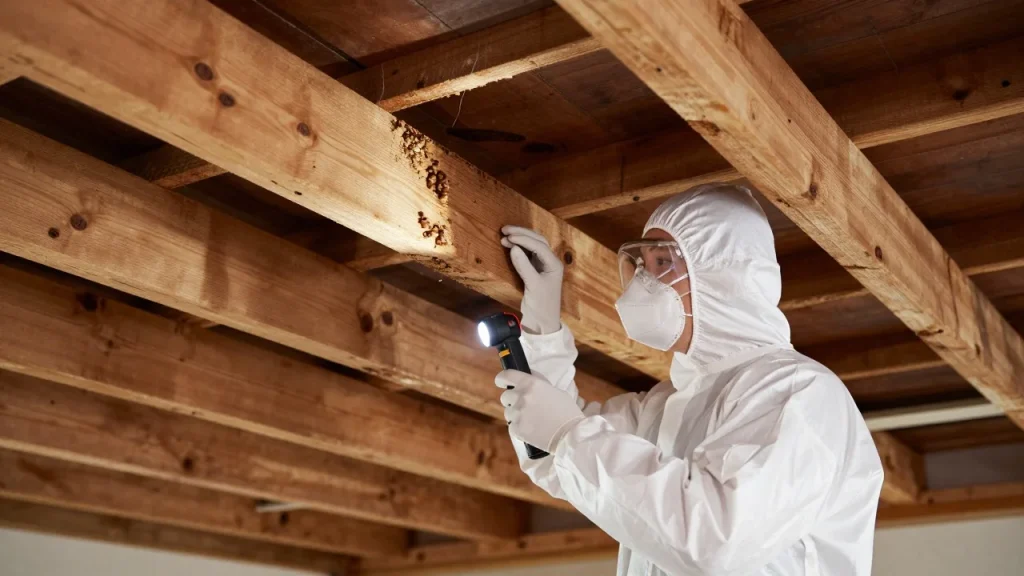
Many consumer cost guides express termite fumigation prices as approximately $1 to $4 per square foot, making house size a convenient starting point for estimating a budget. This calculation should not be mistaken for the contractor’s actual dosing formula because professional structural fumigation considers the enclosed volume and characteristics of the building. Still, multiplying the home’s floor area by the common $1-to-$4 planning range gives homeowners a useful first estimate before an inspection.
| Home size | Estimated fumigation range |
|---|---|
| 1,000 sq. ft. | $1,000–$4,000 |
| 1,200 sq. ft. | $1,200–$4,800 |
| 1,500 sq. ft. | $1,500–$6,000 |
| 1,800 sq. ft. | $1,800–$7,200 |
| 2,000 sq. ft. | $2,000–$8,000 |
| 2,500 sq. ft. | $2,500–$10,000 |
| 3,000 sq. ft. | $3,000–$12,000 |
| 4,000 sq. ft. | $4,000–$16,000 |
These numbers illustrate why homeowners should avoid relying on an online square-foot calculation as a final quote. A compact two-story property, sprawling single-story home, complex roof, crawl space, attached garage, or difficult-to-seal addition can change the amount of work required. Get an on-site assessment and ask the fumigator to explain exactly how the structure’s size and configuration affected the proposed price.
What Determines the Final Fumigation Cost?
Several variables have a greater effect on pricing than homeowners initially expect. Understanding them helps explain why one contractor may quote $3,000 while another proposes $5,000 or more for the same address. The most important factors are usually the treatment scope, structure, pest, preparation requirements, and local market conditions.
Home Size and Building Volume
Larger structures generally require more material, larger tarps, additional equipment, and more labor to seal and treat. Multi-story homes and unusual rooflines may also take longer to prepare than simple rectangular buildings. Because structural fumigation calculations consider the volume of fumigated space, floor area is only one part of the pricing equation.
Pest Type
Termites and other wood-destroying insects are among the pests most closely associated with whole-structure fumigation. Drywood termites can live in inaccessible pieces of wood throughout a building, making a treatment that penetrates the entire structure useful when infestation is widespread. Subterranean termites generally require strategies aimed at the soil and colony rather than relying on house tenting alone.
Severity and Spread
A localized problem may be treatable without covering the entire house, while activity discovered across numerous rooms, wall cavities, or structural timbers may justify more extensive treatment. Severe infestations can also require more inspection time, preparation, and follow-up work. Asking the contractor to show where infestation was found can help you understand why whole-house treatment is being recommended.
House Design and Accessibility
Attached decks, fences, dense landscaping, narrow side yards, roof projections, additions, and neighboring structures can complicate tarp installation. Crews need sufficient access to create and maintain an effective seal around the treatment area. Difficult access typically means additional labor and can therefore increase the total estimate.
Location
Labor costs, licensing requirements, competition, property values, and the local prevalence of drywood termites differ across U.S. regions. Areas where structural fumigation is commonly performed may have more competing providers, but high labor and operating costs can still push prices upward. Comparing at least two or three properly itemized local estimates is more useful than assuming a national average will match your ZIP code.
Termite Fumigation Cost vs. Other Treatment Options
Whole-house fumigation is particularly associated with severe or widespread drywood termite infestations, but it is not the only available termite treatment. HomeGuide currently reports gas fumigation around $2,000 to $8,000, heat treatment around $2,000 to $6,000, bait systems around $1,000 to $2,500, and many chemical soil treatments around $500 to $2,000. The appropriate method depends on the termite species, where the colony is located, and how broadly activity has spread.
| Treatment | Typical planning cost | Common situation |
|---|---|---|
| Gas fumigation | $2,000–$8,000 | Widespread drywood termites |
| Heat treatment | $2,000–$6,000 | Certain drywood termite infestations |
| Bait stations | $1,000–$2,500 | Colony control and monitoring |
| Chemical soil treatment | $500–$2,000+ | Subterranean termite control |
| Localized treatment | Varies widely | Limited, accessible infestation |
The cheapest method is not automatically the best value because a treatment that misses hidden colonies may lead to another bill later. Conversely, whole-house fumigation can be unnecessary if a qualified inspection confirms a small, isolated problem that responds to localized treatment. Request a written explanation of why the recommended method matches the identified termite species before approving an expensive project.
Does Every Pest Problem Require Fumigation?
Most household pest problems do not require whole-house fumigation. Ants, for example, are normally treated with bait, exterior barriers, wall-void applications, or other targeted methods, and Gladnota’s current ant pricing guide places many routine professional visits around $80 to $500 rather than thousands of dollars. That guide notes that fumigation for ants is unusual and generally reserved for exceptional cases, which shows why correct pest identification can dramatically change a homeowner’s budget.
For more targeted pest-management information, homeowners can review Gladnota’s Ant Exterminator Cost guide and the broader Gladnota Pest Control section. Comparing the cost of ordinary pest control with full structural fumigation helps determine whether the disruption and expense of tenting are justified. A reputable professional should be able to explain why less invasive options would or would not work in your particular situation.
Hidden Costs to Budget for Before Fumigation
The contractor’s treatment quote may not represent the complete amount you spend while the house is inaccessible. Temporary lodging, pet arrangements, landscaping preparation, inspections, food handling, and related home repairs can increase the real project total. Review the fumigator’s preparation checklist early so you have time to arrange these items without paying last-minute prices.
Common extra expenses can include:
- Hotel or temporary housing: Angi reports about $100–$200 per night as a common hotel planning figure.
- Pet boarding: Dogs, cats, birds, and other animals must be kept away according to the fumigator’s instructions.
- Landscape preparation: Shrubs or other vegetation may need trimming to provide access around the structure.
- Inspection fees: A termite inspection may cost roughly $100–$350, although some companies include or credit the inspection when treatment is purchased.
- Food preparation and storage: Certain foods, medicines, and consumables may need to be removed or handled according to the fumigant label and contractor instructions.
- Repairs: Fumigation kills targeted pests but does not repair wood, drywall, flooring, or other materials already damaged by an infestation.
- Preventive service: Monitoring, repairs, moisture correction, sealing, or future pest treatments may be recommended after the initial problem is eliminated.
Hotel expenses are especially important because occupants cannot simply return when the tent comes down. The structure must first go through the prescribed aeration and clearance process before re-entry is permitted. Angi advises homeowners to plan for temporary accommodations, while EPA requirements make clear that clearance testing is part of the safety process for sulfuryl fluoride structural fumigation.
What Should Be Included in a Fumigation Quote?
A low bid can become expensive when necessary services are added after the contract is signed. Request written estimates that make it easy to compare the same scope across several companies. The quote should clearly state what the base price covers and identify anything the homeowner must pay for separately.
Look for these items.
- Inspection and pest identification.
- Treatment area or entire structure covered.
- Tarp installation and removal.
- Fumigant application.
- Labor and equipment.
- Required monitoring.
- Aeration.
- Clearance testing.
- Preparation responsibilities.
- Follow-up inspection, if included.
- Warranty or retreatment terms.
- Taxes or other applicable fees.
- Exclusions and potential additional charges.
Price should not be the only deciding factor because incomplete scopes make cheap estimates difficult to compare. A $3,500 proposal that includes inspection, preparation assistance, clearance testing, and a strong warranty may provide better value than a $3,000 quote with several exclusions. Ask each contractor to explain the total amount you are likely to pay from preparation through safe re-entry.
How Does House Fumigation Work?
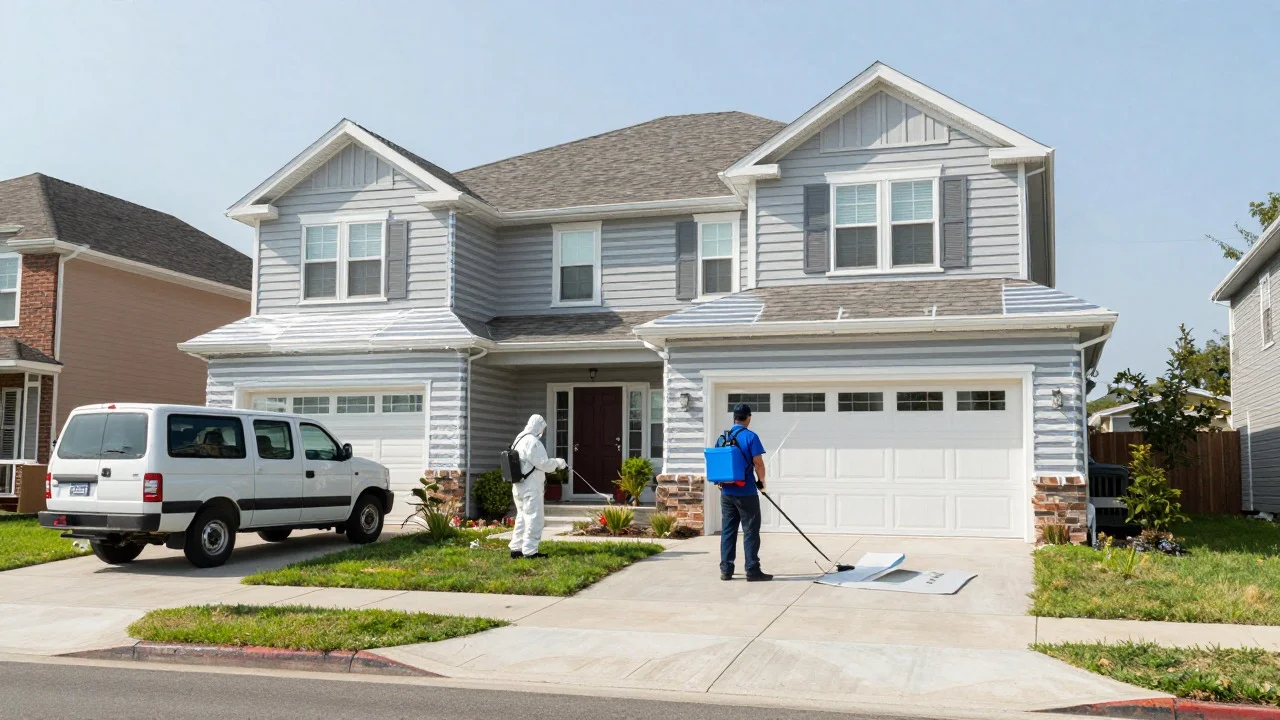
Structural fumigation typically starts with a professional inspection to confirm the target pest and determine whether whole-building treatment is appropriate. The structure is then prepared and sealed beneath specialized tarps so that fumigant can reach areas where insects may be hidden. After the required exposure period, the building is aerated and tested before the contractor authorizes occupants to return.
For residential structural fumigation in the United States, EPA identifies sulfuryl fluoride as the only fumigant currently registered for residential structural use. It is a restricted-use pesticide, so its application is limited to certified applicators or people working under the required supervision. EPA also requires additional safeguards for residential use, including warning measures, documentation, aeration requirements, and clearance procedures.
When Is It Safe to Return Home?
Do not decide when to re-enter based on smell, the time of day, or whether the tent has already been removed. Sulfuryl fluoride is colorless and odorless, and EPA states that the building must be tested with appropriate clearance equipment before occupants return. EPA currently considers a structure cleared when the concentration has been verified at 1 part per million or less in the breathing zones of each room under the applicable requirements.
Follow the fumigation company’s written re-entry instructions rather than using a generic online timeline. Conditions such as the structure, treatment, aeration procedure, and applicable label requirements can affect the process. Never enter a tented or uncleared property to retrieve belongings, inspect the work, or begin cleaning.
Can You Fumigate a House Yourself?
Whole-structure fumigation is not an appropriate DIY project. The main residential structural fumigant is a restricted-use pesticide, and professional fumigation requires specialized equipment, calculations, monitoring, aeration, and clearance testing. Attempting to reproduce the process with consumer products can expose occupants, neighbors, pets, or workers to serious hazards and does not provide the same controlled treatment.
Homeowners can still reduce expenses by handling safe preparation tasks specified by the licensed provider. Examples may include decluttering, arranging lodging early, trimming accessible vegetation when instructed, and moving approved items before the crew arrives. Follow the contractor’s written checklist exactly because preparation requirements depend on the fumigant label and treatment plan.
How to Save Money on Fumigation Without Cutting Corners
The safest way to reduce fumigation cost is to improve the purchasing process rather than eliminate required safety steps. Prices can differ between providers because of labor rates, treatment scope, warranties, property access, and included services. Comparing detailed estimates gives you negotiating information without compromising the effectiveness of the treatment.
Try these cost-saving strategies:
- Get two or three written quotes. Compare treatment scope and warranty terms, not just totals.
- Confirm the pest species first. Avoid paying for whole-house fumigation when a targeted treatment is appropriate.
- Ask whether the inspection fee is credited. Some companies apply it toward the treatment price.
- Handle approved preparation yourself. Complete safe trimming, decluttering, or moving tasks if the provider permits it.
- Arrange lodging early. Booking accommodation in advance can reduce relocation costs.
- Ask what the warranty covers. A slightly higher price may be worthwhile if retreatment is included.
- Correct moisture and entry problems. Prevention can reduce the chance of paying for another pest-control project later.
Do not save money by choosing an unqualified provider or asking a contractor to skip monitoring and clearance procedures. EPA requirements around sulfuryl fluoride reflect the seriousness of structural fumigation and the need for controlled application and re-entry. Verify licensing requirements in your state and request clear documentation before signing the contract.
Is Fumigation Worth the Cost?
Fumigation can be worth the expense when an appropriate inspection finds a widespread pest that cannot be reliably reached with localized treatments. Its main advantage is the ability to treat the structure broadly rather than relying on access to individual visible galleries or nesting areas. For a limited infestation, however, targeted treatment may cost far less and cause much less disruption.
The decision should therefore begin with diagnosis instead of price. Confirm the pest species, ask where activity was found, compare treatment alternatives, and understand what happens if the problem returns. Once those questions are answered, the fumigation cost can be evaluated against the expected effectiveness and the value of preventing additional property damage.
Final Takeaway
For U.S. homeowners, a reasonable 2026 starting estimate for whole-house fumigation cost is approximately $2,000 to $8,000, while termite tenting is commonly priced around $1 to $4 per square foot. Your real total can rise because of house size, structural complexity, the pest involved, infestation severity, temporary accommodation, preparation, inspections, and related repairs. The smartest next step is to confirm the pest, compare several itemized estimates, and choose the treatment that solves the actual infestation rather than automatically selecting either the cheapest service or the most extensive one.
Frequently Asked Questions
How much does it cost to fumigate a 2,000-square-foot house?
Using the common $1 to $4 per square foot pricing range, a 2,000-square-foot home may cost approximately $2,000 to $8,000 to fumigate. The final amount can differ because structural volume, pest type, infestation severity, accessibility, local labor rates, and home design all affect pricing. Treat the calculation as an early budget estimate and obtain an inspection before making a financial decision.
How much does termite fumigation cost?
Whole-house termite tenting commonly costs about $2,000 to $8,000 in current U.S. cost guides. Angi’s 2026 termite-tenting analysis gives a common range of roughly $2,000 to $5,000, with around $3,000 cited as a typical project, while larger or more complicated homes can cost substantially more. Differences between published estimates reinforce the importance of obtaining local written quotes rather than relying on one national number.
How long do you have to stay out of a house after fumigation?
The exact vacancy period depends on the fumigation plan, label requirements, aeration process, and clearance testing. Homeowners should plan for temporary accommodation and return only after the fumigator has formally cleared the building for occupancy. EPA emphasizes clearance testing rather than relying on a homeowner to judge safety based on time or odor.
Is fumigation cheaper than heat treatment?
Not necessarily, although some current estimates put heat treatment below gas fumigation in certain projects. HomeGuide reports termite heat treatment at approximately $1 to $3 per square foot, compared with roughly $1 to $4 per square foot for gas fumigation. The better choice depends on the pest, structure, infestation pattern, local pricing, and whether the proposed method can reliably reach the affected areas.
Does fumigation prevent termites from coming back?
Fumigation is designed to eliminate the pests present in the treated structure, but it should not be confused with permanent prevention. Future termites may enter again if conditions allow another infestation, which is why inspection, repairs, moisture control, monitoring, or other preventive measures may still be appropriate. Ask the contractor what residual protection, if any, is included and what prevention plan is recommended after treatment.
Is the cheapest fumigation company a good choice?
The lowest estimate is worthwhile only when it covers the same treatment scope and safety procedures as competing bids. Compare inspection findings, licensing, preparation requirements, fumigation method, clearance testing, warranty terms, exclusions, and follow-up service before choosing. A detailed proposal that costs somewhat more can be a better value than an inexpensive quote that leaves essential work or future callbacks out of the contract.